


The first BE-LIGHT Workshop (W1) has taken place at the Institut de la Vision, Paris
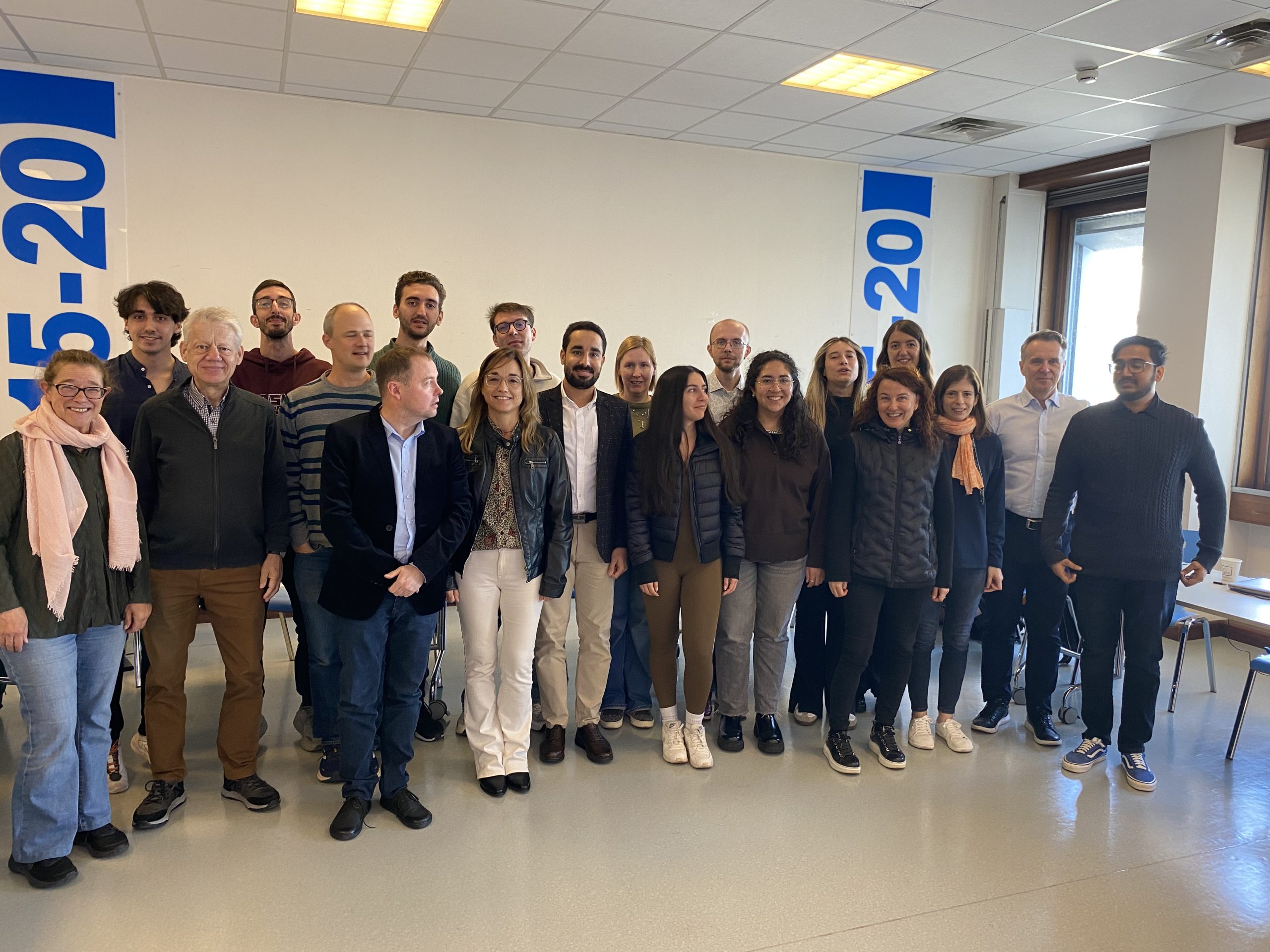
The first BE-LIGHT Workshop (W1) took place from 1 to 3 October 2025 at the Institut de la Vision (Sorbonne Université, Paris). The event brought together the BE-LIGHT doctoral fellows, supervisors, and invited researchers for three days of scientific exchange, hands-on learning, and collaborative discussions. Organised by Prof. Matthew Chalk, the workshop offered an inspiring programme that combined cutting-edge research presentations with transversal skills training and outreach activities, all in one of Europe’s leading centres for vision science and neuroscience.
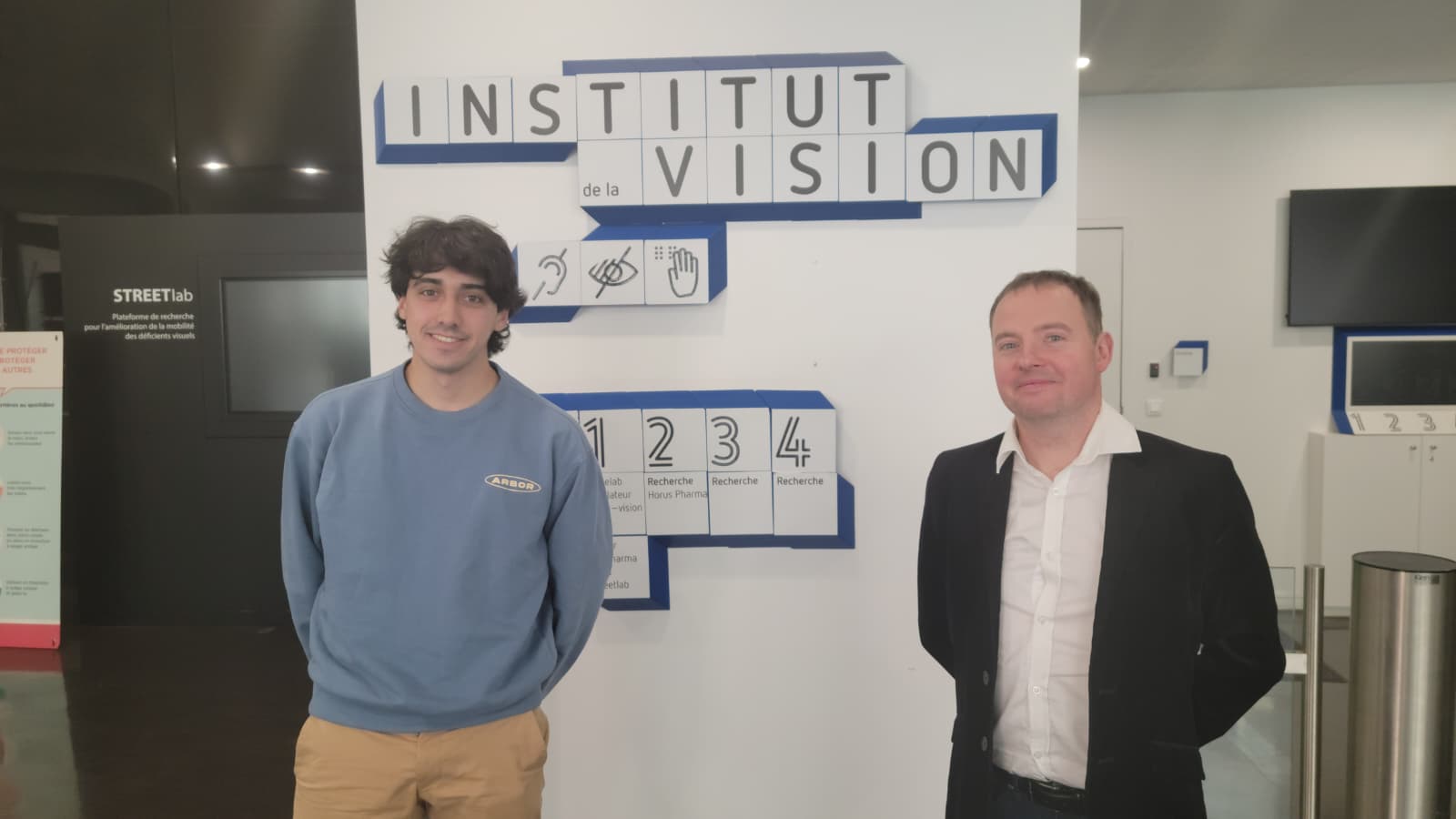
The Institut de la Vision is a renowned interdisciplinary research centre that integrates fundamental, clinical, and applied research in ophthalmology and neuroscience. With over 300 scientists and close collaboration with the nearby Hôpital national des 15-20, the institute hosts a unique ecosystem where physicists, biologists, clinicians, and engineers work together to advance understanding of vision mechanisms and to develop innovative diagnostic and therapeutic solutions. The choice of venue for BE-LIGHT’s first workshop perfectly reflected the project’s mission: bridging optical technologies, life sciences, and artificial intelligence to address biomedical challenges.
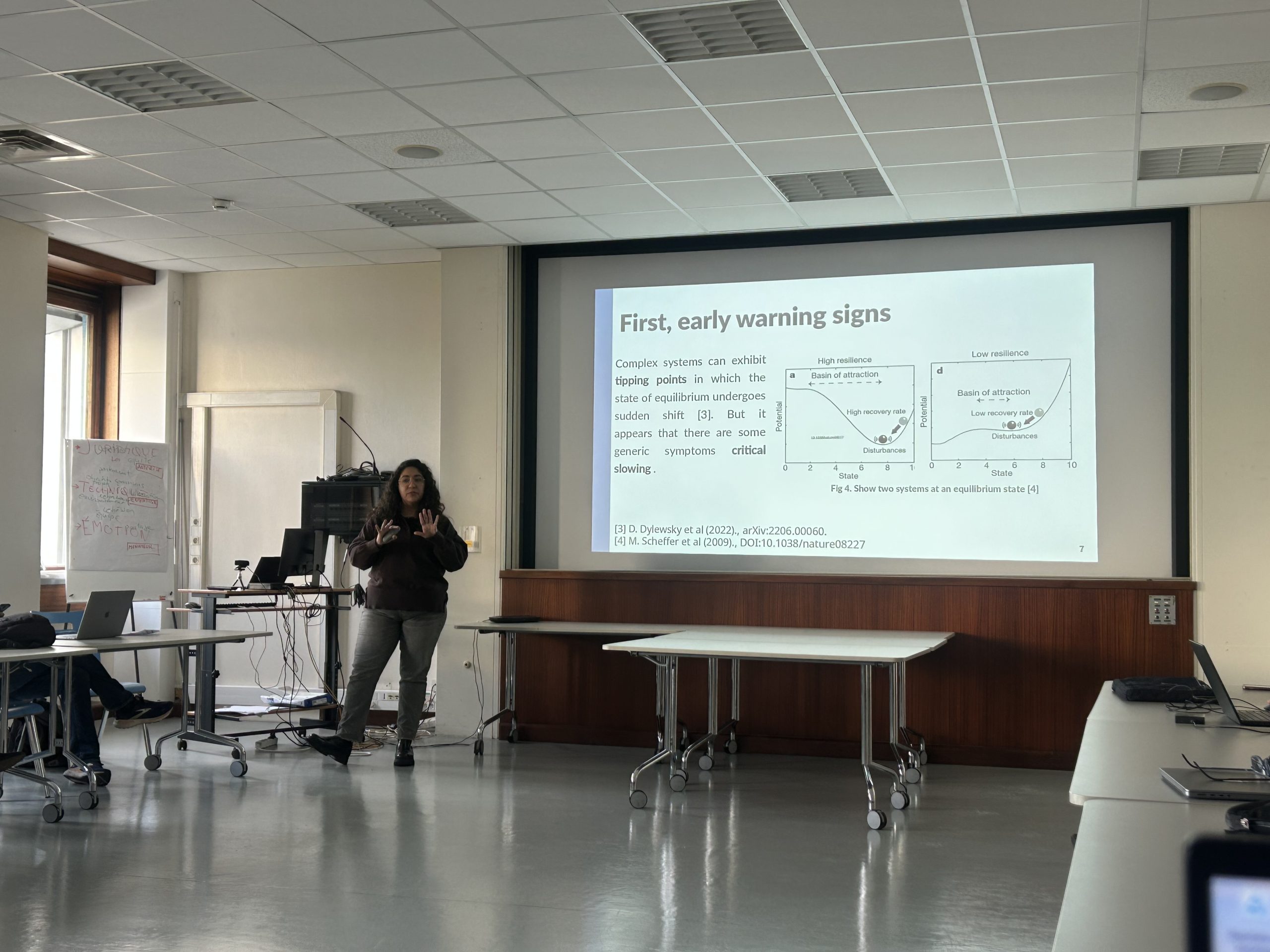
Over the course of the three days, participants attended a series of scientific talks delivered by internationally recognised experts, who shared their latest research on diverse and complementary topics. Kate Grieve presented Live Imaging of Retinal Cell Dynamics, exploring advances in high-resolution imaging for studying retinal physiology. Valentina Emiliani discussed Holographic Manipulation of Visual Circuits, highlighting optical techniques for controlling neuronal activity with light. Alexandre Gramfort introduced computational approaches in Training Machines to Decode Electromyography Signals for High-Bandwidth Human–Computer Interfaces, focusing on data-driven neural decoding. Finally, Ulisse Ferrari gave an insightful lecture on Neural Information Processing, Biophysics & AI, linking theoretical models of brain activity with modern artificial-intelligence frameworks. Together, these talks illustrated how interdisciplinary collaboration between optics, neuroscience, and computer science can open new frontiers in biomedical research.
Beyond the invited lectures, the 11 BE-LIGHT doctoral fellows also presented the progress of their individual research projects. Their presentations covered a wide range of topics, including biomedical optics, photonics, multimodal imaging, machine learning, and data analysis applied to clinical and preclinical studies. Each fellow gave a 20-minute presentation followed by 10 minutes of discussion, which allowed for constructive scientific dialogue with peers, supervisors, and the invited speakers. The diversity of projects demonstrated the breadth of expertise within the consortium and the tangible progress achieved since the start of the programme.
In parallel to the scientific sessions, the workshop included a series of transversal-skills training sessions addressing key aspects of responsible and sustainable research. Violetta Zujovic led a thought-provoking session on Gender Equality and Inclusion, raising awareness of unconscious bias and the importance of diversity in academia. Sophie Schbath delivered a presentation on Environmental Transition, encouraging participants to adopt environmentally responsible practices in research environments. Catherine Coirault conducted the final session on Good Scientific Practices, providing practical advice on maintaining integrity, reproducibility, and transparency in experimental and collaborative work. These sessions sparked lively debates among participants, who reflected on how to integrate these values into their daily scientific activities.
Participants also had the opportunity to explore the research facilities of the Institut de la Vision, visiting several laboratories conducting experiments on retinal imaging and prefrontal cortex studies in mice. These visits provided valuable insights into the institute’s multidisciplinary research approach, showcasing how optical imaging, electrophysiology, and computational neuroscience converge to advance the understanding of sensory and cognitive processes. Fellows were able to interact directly with local researchers, observe ongoing experiments, and exchange ideas on methodologies and technologies relevant to their own projects.
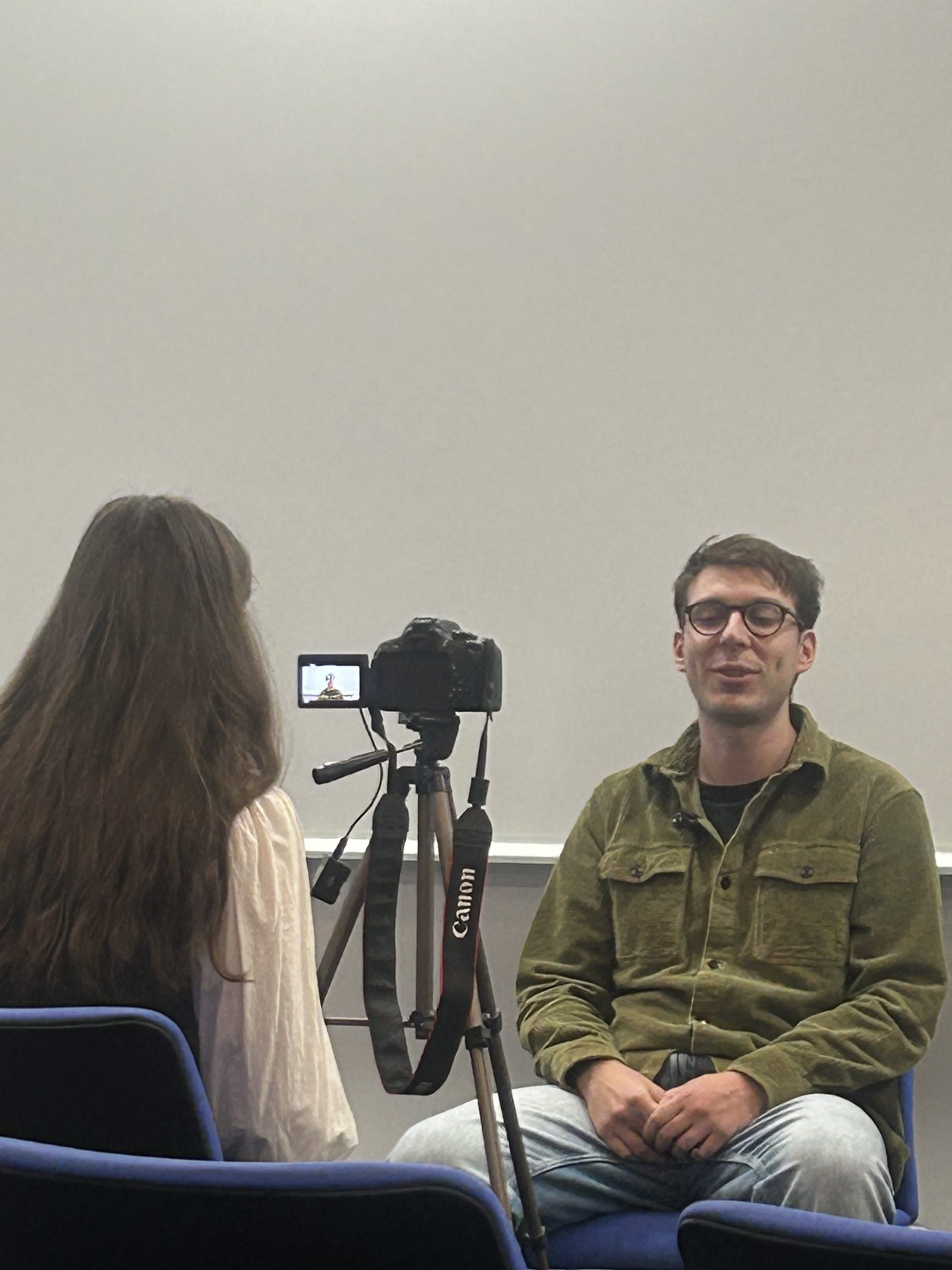
To complement the scientific and training activities, the workshop included an outreach session designed to enhance communication skills and engage with a broader audience. Fellows participated in the creation of short video interviews in which they answered light-hearted yet inspiring questions such as “Who inspired you to become a scientist?”, “What did you imagine being a scientist would be like?”, “What advice would you give your younger self?” and “What’s your funniest lab story?”. The initiative aimed to demystify scientific careers, show the human and creative side of research, and encourage younger generations to pursue science. The recordings will later be shared through BE-LIGHT’s communication channels to promote science in an accessible and engaging way.
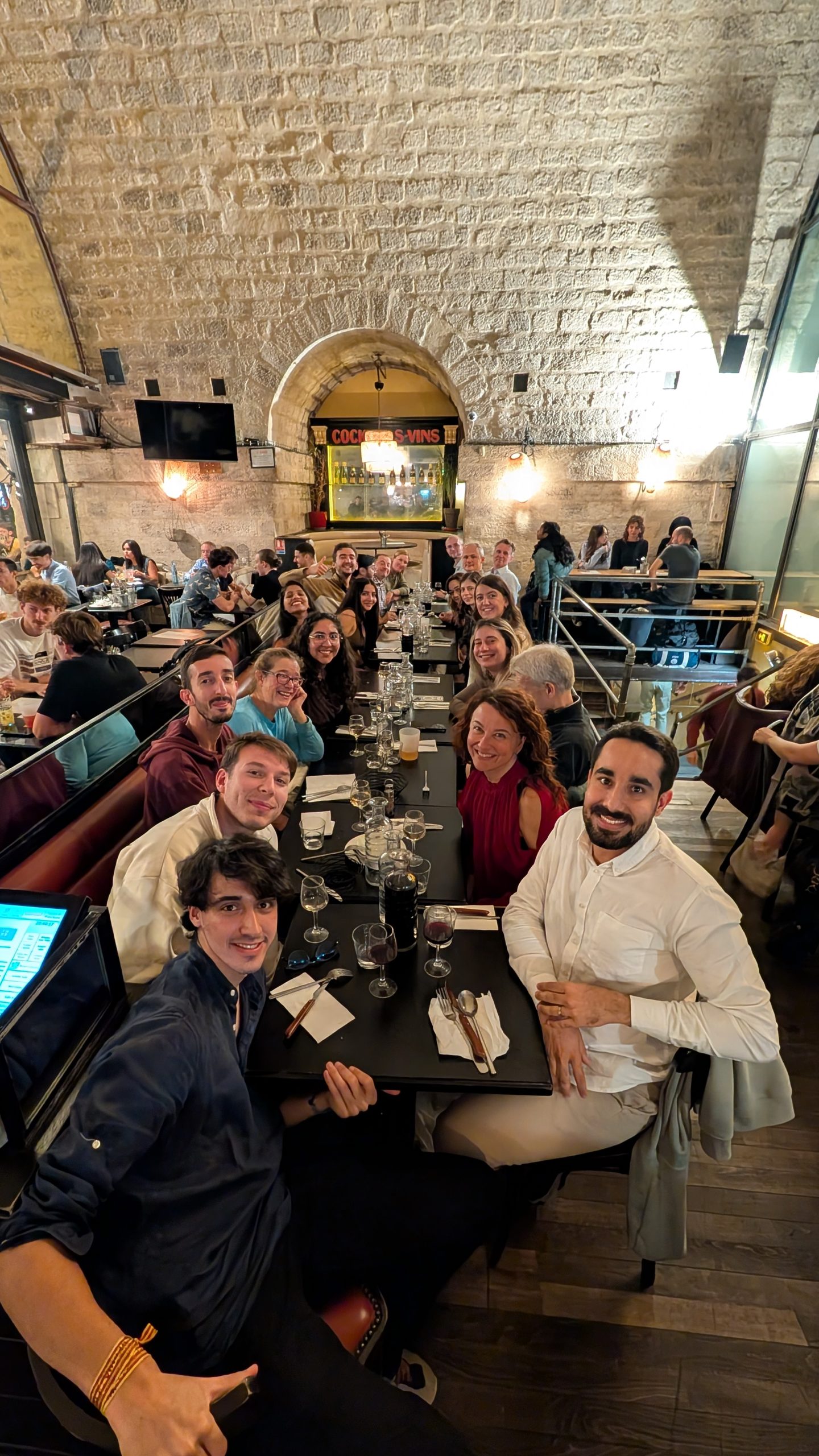
The workshop concluded with a networking dinner in central Paris, providing an informal setting for discussion and connection among fellows, supervisors, and invited guests. The evening atmosphere fostered new professional and personal bonds, particularly valuable as many of the fellows are now beginning their secondments across Europe. These exchanges marked the start of new collaborations within the network, reinforcing the cooperative spirit that defines BE-LIGHT.
Overall, the BE-LIGHT Workshop 1 represented a significant milestone in the training and networking dimension of the project. It successfully combined scientific excellence with human connection, reflecting the essence of the MSCA-Doctoral Networks programme: to train creative, entrepreneurial, and responsible researchers capable of shaping the future of biomedical optics and light-based technologies.
The consortium extends its sincere gratitude to Prof. Matthew Chalk, to all invited speakers, and to the Institut de la Vision team for their outstanding organisation and hospitality. Their contribution made this first BE-LIGHT workshop not only scientifically enriching but also personally memorable for all participants.