


BE-LIGHT Hands-on Training 2 & Workshop 2 successfully took place in Göttingen!
BE-LIGHT Fellows Explored Advanced Imaging and Scientific Excellence at Workshop 2 and Hands-on Training 2 in Göttingen
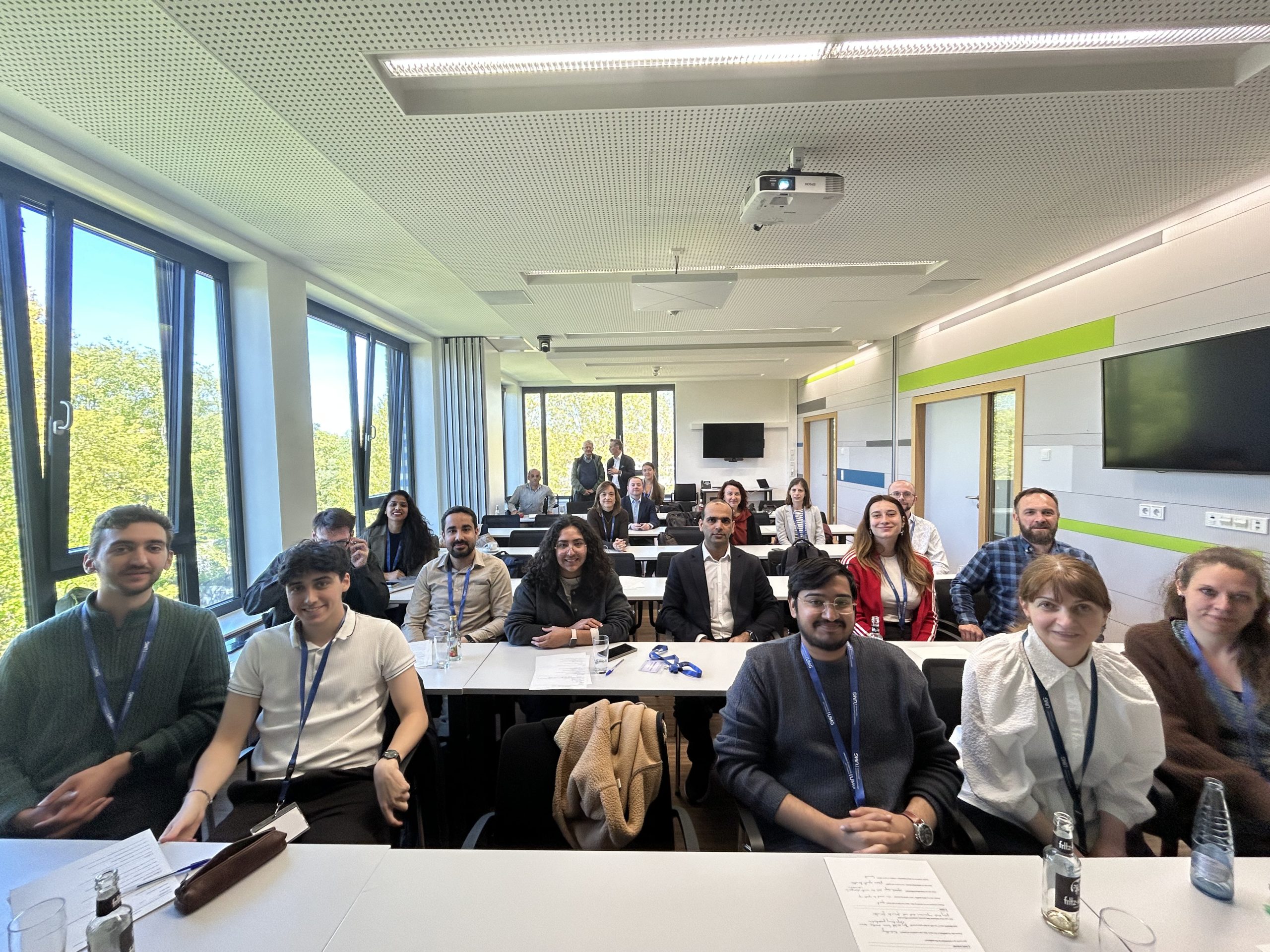
From April 27 to 30, 2026, the BE-LIGHT Doctoral Network gathered in Göttingen, Germany, for a week dedicated to advanced biomedical imaging, microscopy, scientific exchange, and professional development. The event combined the Hands-on Training 2: Cardiac & Neuroimaging with Workshop 2, bringing together fellows, researchers, and internationally recognized experts from across Europe.
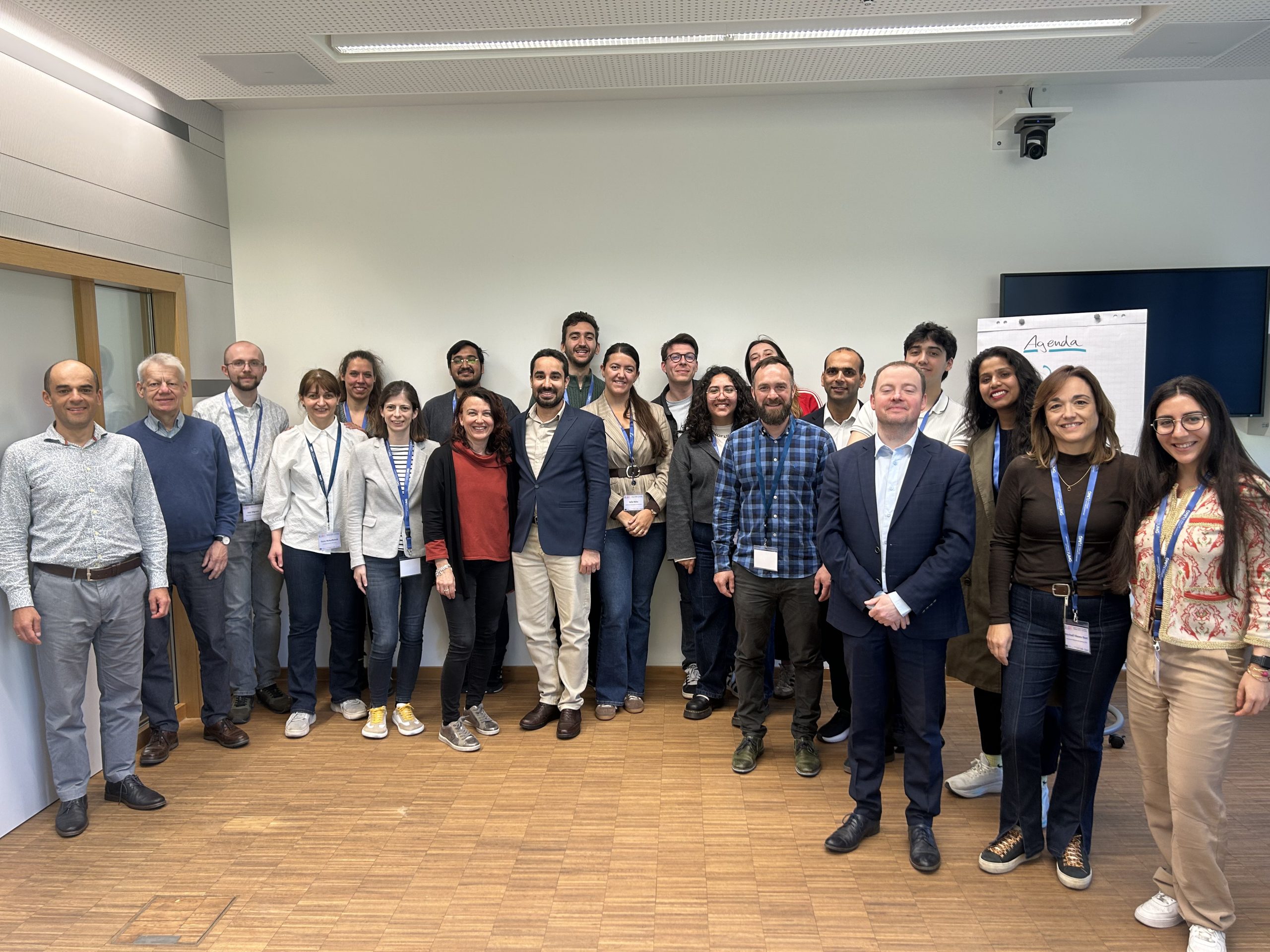
Members of the network reunited at UMG
Hands-on Training 2: Cardiac & Neuroimaging
The first part of the event, held on April 27–28 and organized by the Institute of Neurophysiology at the University Medical Center Göttingen (UMG), provided fellows with training on state-of-the-art imaging techniques applied to cardiovascular and neurological research.
Cardiac Imaging
Led by Prof. Joachim Lotz and colleagues, the cardiac imaging sessions focused on the role of advanced imaging technologies in clinical diagnosis and research. Participants explored quantitative cardiac imaging methodologies, image interpretation, and clinical data analysis, while also engaging in diagnostic screening through real patient case studies. In addition, Dr. Vitali Telezki introduced MRI image reconstruction techniques, offering fellows valuable insight into how modern imaging technologies contribute to the diagnosis and monitoring of cardiovascular diseases.
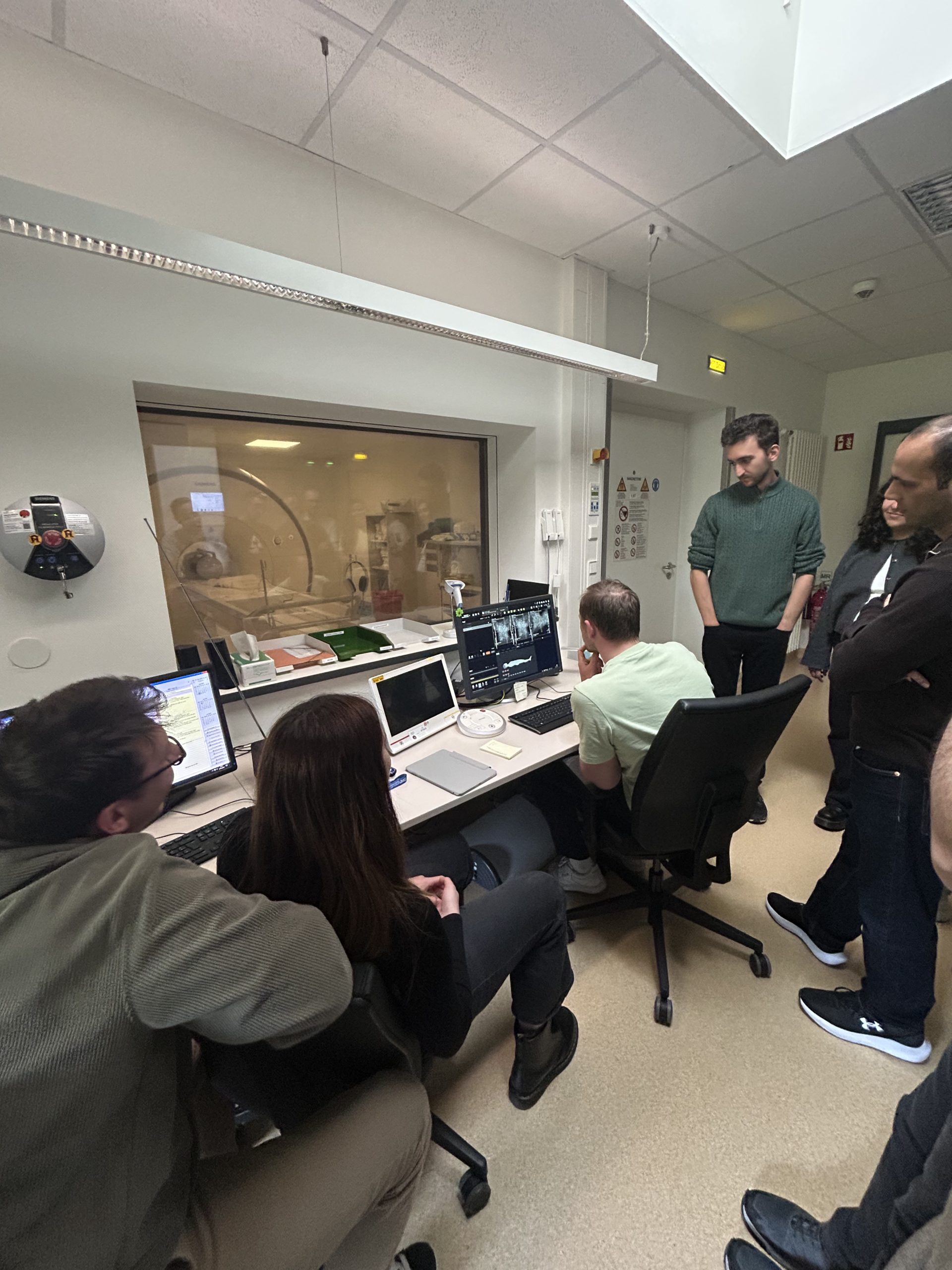
MRI session with Dr. Vitali Telezki
Neuroimaging and Advanced Microscopy
The neuroimaging component introduced participants to cutting-edge microscopy and image analysis approaches. Highlights included a master class in super-resolution microscopy delivered by Prof. Valentin Nägerl, as well as sessions on functional neuroanatomy imaging using Two-Photon Microscopy, SUSHI imaging, and Expansion Microscopy. Participants also learned about artificial intelligence-based data processing for super-resolution imaging through a presentation by Clinton Gonsalves and attended practical demonstrations covering optics, light–tissue interactions, and tissue expansion techniques. Through a combination of lectures and hands-on activities, fellows gained practical experience with technologies that are transforming neuroscience and biomedical research.
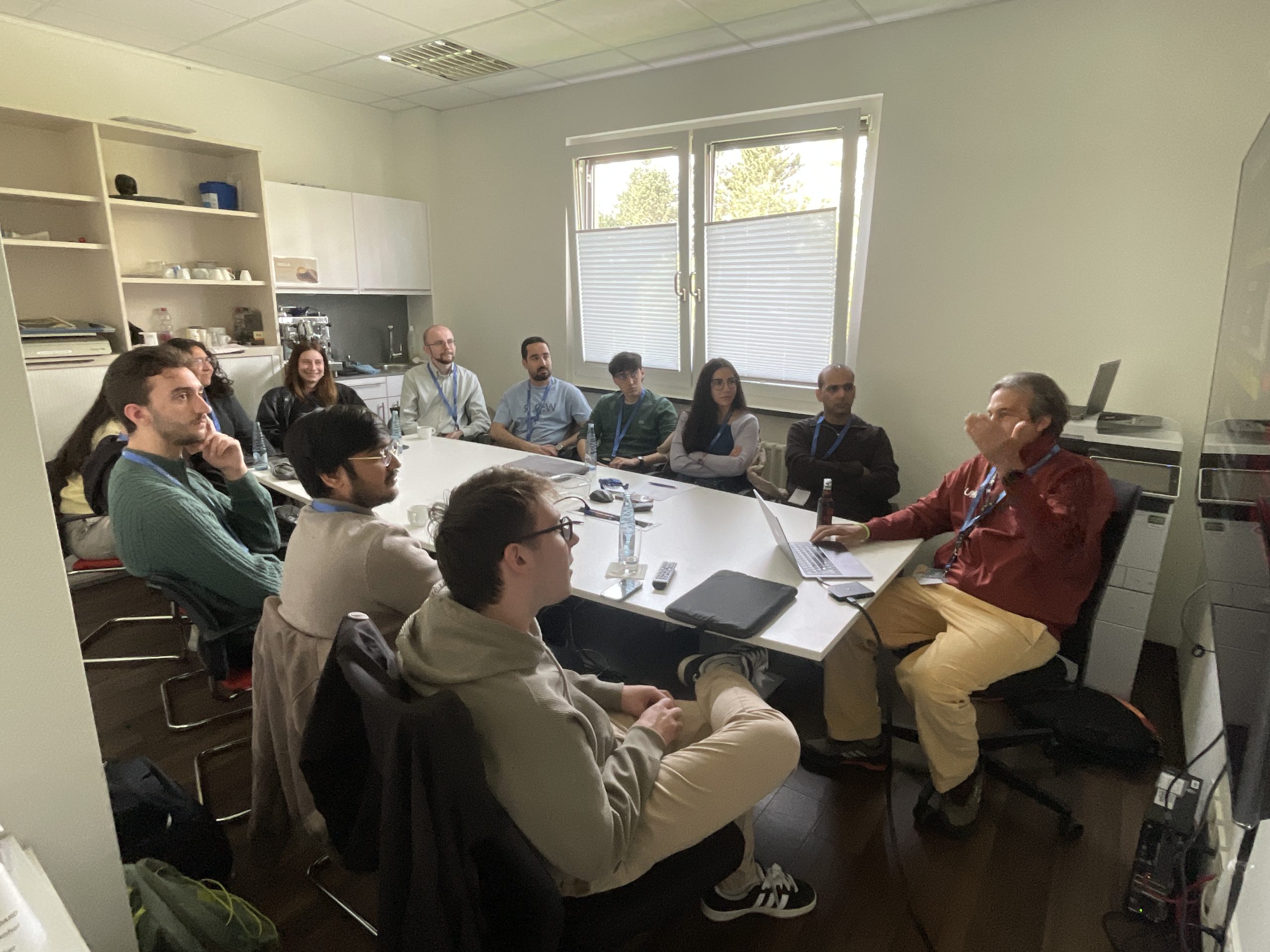
Lecture of Prof. Nägerl.
Workshop 2: Scientific Excellence and Career Development
From April 28–30, the programme continued with BE-LIGHT Workshop 2, organized by Prof. Daniel Razansky’s group from the University of Zurich and ETH Zurich. The workshop brought together leading scientists from multiple disciplines, creating an inspiring environment for knowledge exchange and collaboration.
One of the most anticipated moments of the event was the keynote lecture delivered by Nobel Prize laureate Stefan Hell, entitled:
“How to overcome a supposed scientific barrier… and what to make of it”
His presentation provided participants with unique insights into scientific innovation, perseverance, and the development of breakthrough technologies in microscopy.
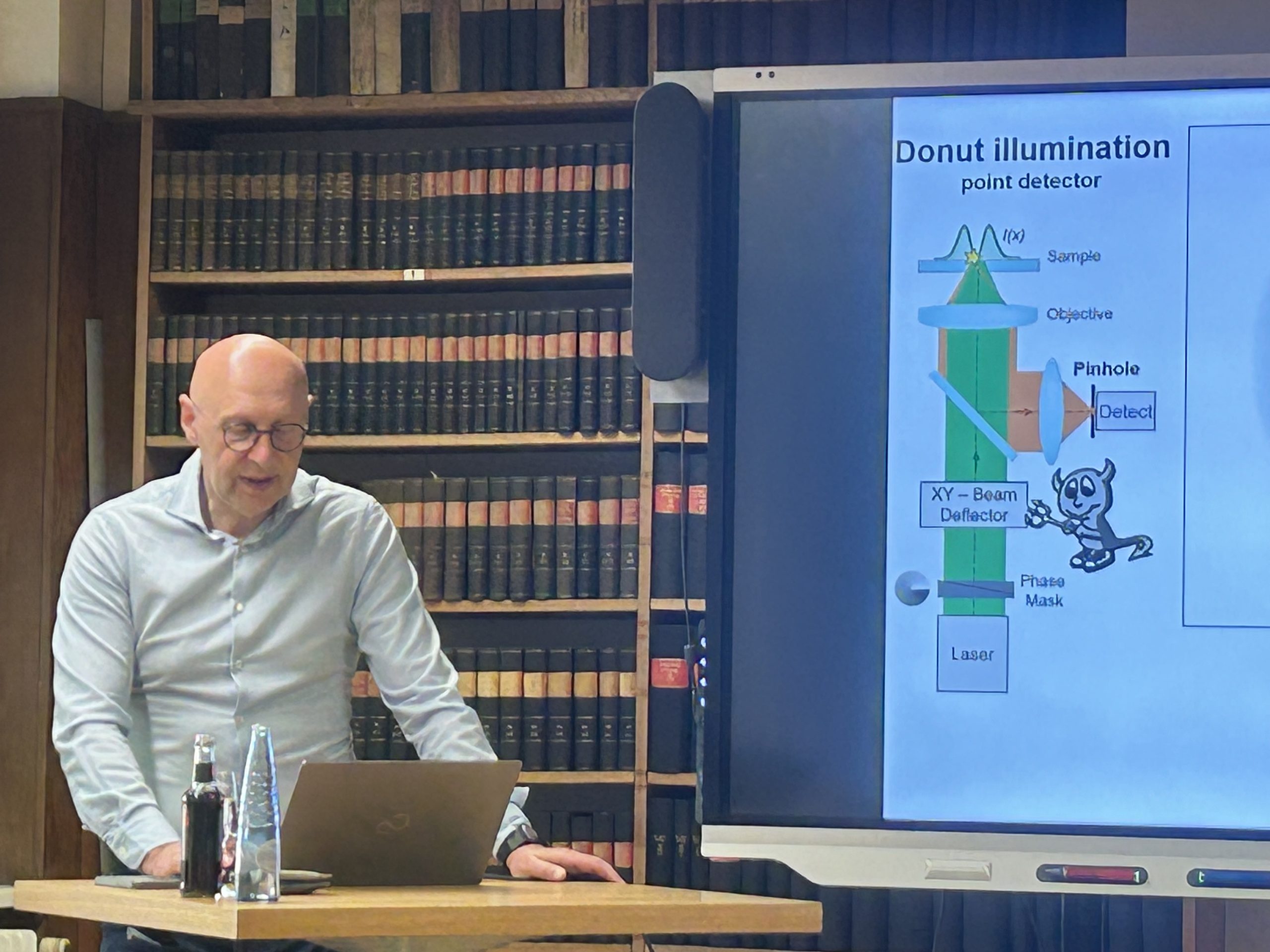
Keynote Lecture by Nobel Laureate Stefan Hell on STED Microscopy
Developing Transversal Skills
In addition to the scientific programme, fellows participated in dedicated transversal skills training sessions led by Dr. Alex Britz. These workshops focused on essential competencies for successful research careers, including scientific presentation and communication, public engagement and science outreach, career development strategies, professional networking, as well as CV preparation and interview techniques. These sessions complemented the technical training and supported fellows in developing the broader skills required for academic and industrial career paths.
Bringing Science to the Public
A particularly memorable component of the event was the outreach activity Science in a Pint, held at the Duke Irish Pub in Göttingen. During this informal public engagement event, BE-LIGHT fellows discussed topics such as vision science, cardiac diseases, and advanced microscopy with members of the public, fostering dialogue between researchers and society.
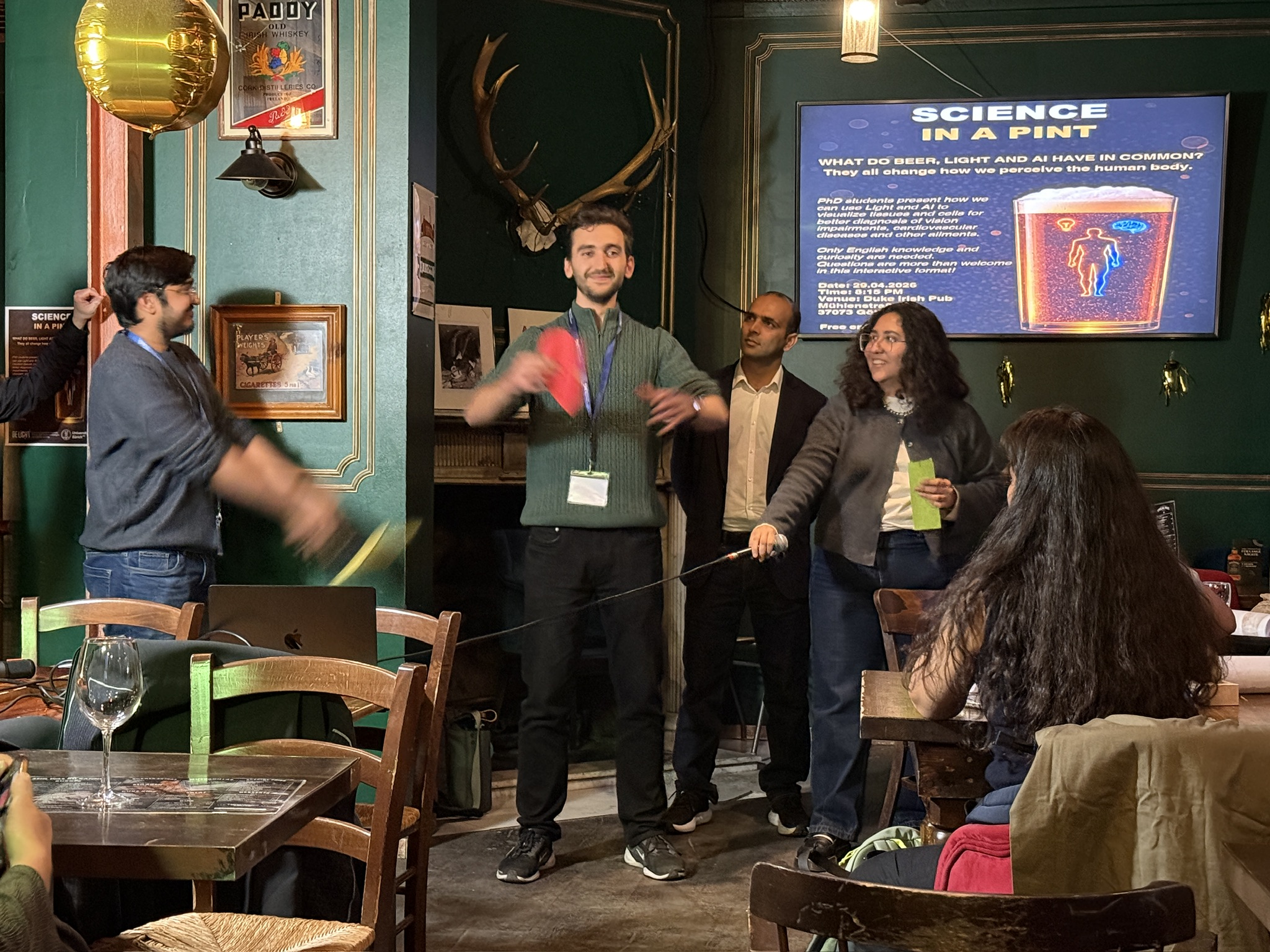
Science in a Pint event: presentations by fellows working on WP2-related projects
Strengthening the BE-LIGHT Community
The Göttingen event successfully combined scientific training, interdisciplinary collaboration, career development, and public outreach. It provided fellows with the opportunity to learn from world-leading experts, exchange ideas with peers, and strengthen the collaborative spirit that lies at the heart of the BE-LIGHT Doctoral Network.
We would like to express our sincere gratitude to all speakers, trainers, and organizers who contributed to the success of the event, with special thanks to Dr. Kim-Ann Saal and Dr. Nunu Mchedlishvili for their outstanding support and coordination.
The week in Göttingen not only expanded scientific knowledge but also reinforced the strong international community that continues to drive the BE-LIGHT project forward.